What to Order First at a Cuban Bakery in Aurora CO
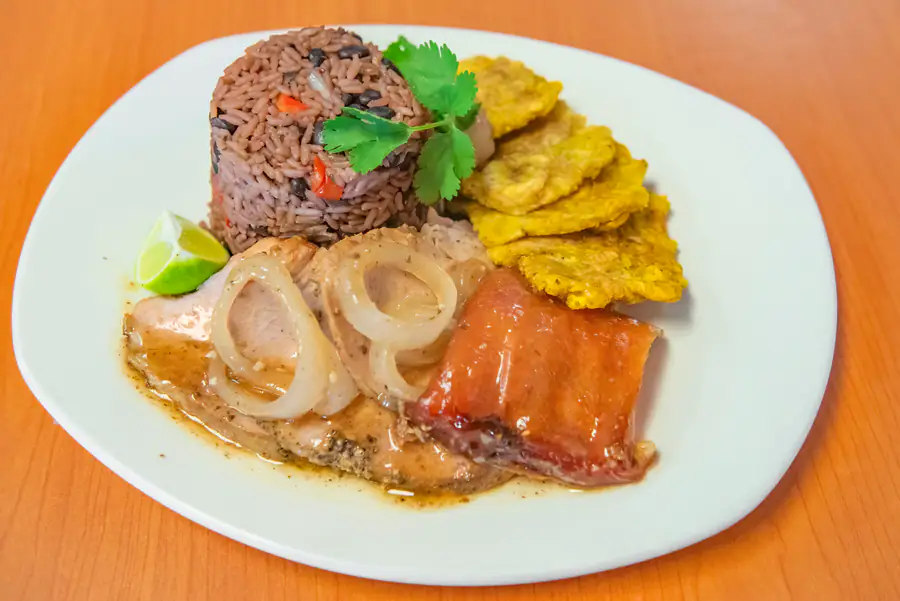
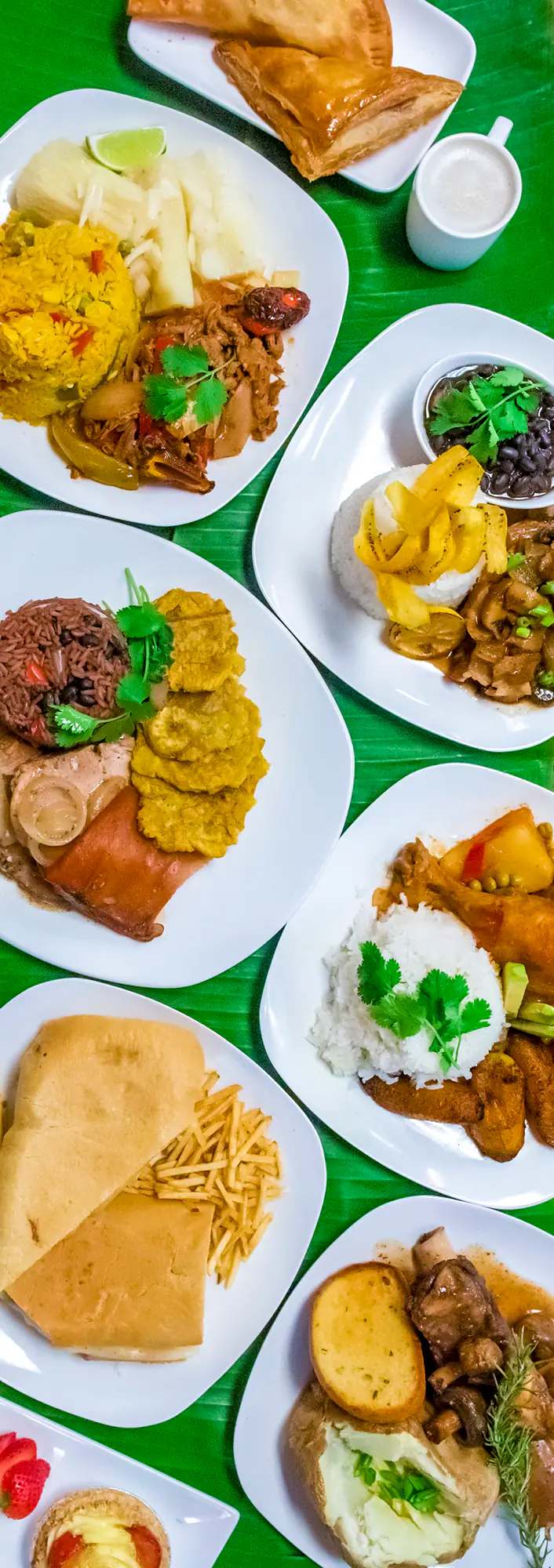
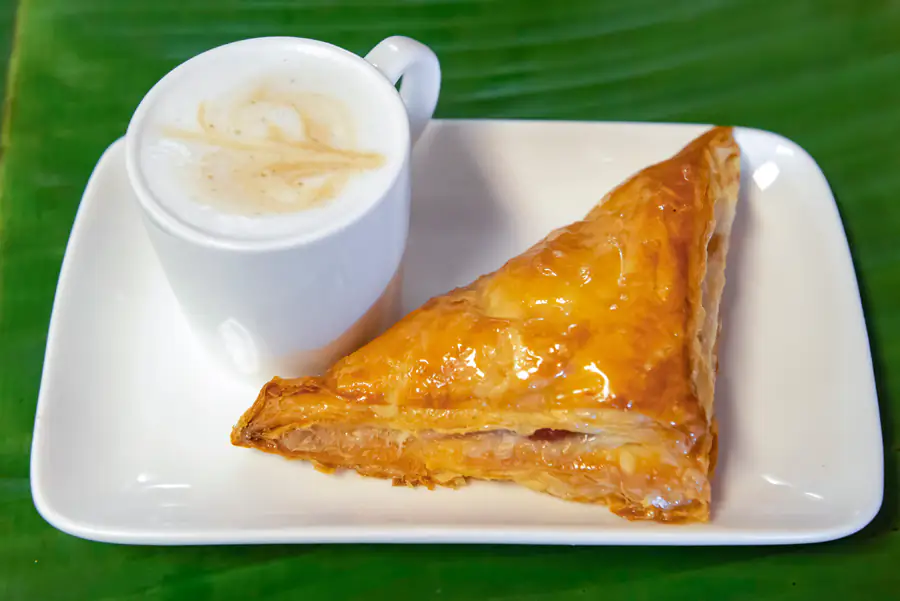
Walking into a Cuban bakery for the first time can be strangely disorienting in the best possible way. The pastry case is packed, the hot box is calling your name, and everything looks more substantial than it does in a typical coffee shop bakery. There are glossy pastries filled with guava, savory rolls with ham, croquettes lined up like a dare, and sandwiches that seem simple until you take the first bite and realize how much technique is hiding behind toasted bread.
If you are standing in a Cuban bakery Aurora CO locals love, the smartest move is not to order the most dramatic-looking item. It is to order the item that tells you whether the bakery knows its craft. In my experience, the first order should give you a read on three things at once: how they handle dough, how they season fillings, and whether they respect texture. That is why first-time visitors are usually happiest when they start with a short, balanced order instead of committing to one giant sandwich and hoping for the best.
The good news is that Cuban bakeries tend to be generous, direct, and built around food that wants to be eaten fresh. You do not need insider knowledge to eat well. You just need a little judgment.
Start with the pastry that reveals the bakery
If I had to name one first item for a newcomer, it would be a guava pastry, often sold in some version of a guava and cheese turnover or a layered puff pastry filled with guava paste. It is the quickest way to tell whether the bakery gets the fundamentals right.
A good guava pastry should have contrast. The outer layers need crispness and lift, not a greasy collapse. The filling should be sweet, but not sticky in a one-note way. Guava has a floral tartness that keeps it from eating like candy, and when cream cheese or a similar soft cheese is added, the whole pastry lands in a very satisfying middle ground between breakfast and dessert. If the pastry flakes onto your shirt a little, that is usually a promising sign. If it sits heavy and damp, the case may look better than the baking.
There is also something practical about starting here. A guava pastry is approachable even if you did not grow up with Cuban bakery staples. It does not require context. You can take one with coffee, split it, and still have room to try a savory item. For a first visit, that matters.
The second pastry I often recommend is a pastelito de guayaba y queso, if the bakery labels things traditionally. Some shops are more bilingual in their display cases, some less. Either way, if you see guava and cheese in flaky pastry, you are looking at a safe first bet.
Then order one hot savory item
After the pastry, the next thing to order is a potato ball or a ham croquette, depending on what is freshest out of the warmer. This is where you learn whether the bakery can fry with discipline.
A potato ball, often called a papa rellena, should be crisp outside and soft within, usually filled with seasoned ground beef. The filling needs enough savor and moisture to justify the potato shell. Too dry, and it tastes like cafeteria food. Too wet, and the shell loses its structure. When done right, it is one of the most comforting things in the case, deeply filling without being complicated.
A croquette tests a different skill. Good croquettes are creamy but not pasty, savory but not salty. Ham is classic, though chicken can show up too. The coating should crack lightly, not shatter into a mess. If you have ever had a croquette that tasted mostly of fryer oil, you know how disappointing they can be. A strong Cuban bakery treats croquettes with respect because regulars notice immediately when they are off.
For a first order, I lean slightly toward the potato ball if you are hungry and the croquette if you want something lighter with coffee. Either one tells you something useful about the kitchen.
The sandwich question, and why it should probably be your third move
Many first-time visitors head straight for the Cuban sandwich, and that instinct makes sense. It is famous for a reason. But if you order it first, especially at a busy bakery, you may miss the broader character of the place. A sandwich can dominate the meal and flatten your appetite before you have tasted the pastries and fried snacks that make a Cuban bakery distinct.
That said, if you are arriving around lunch or sharing with someone, a Cuban sandwich is an excellent part of a first visit. The classic version balances roast pork, ham, Swiss cheese, pickles, mustard, and Cuban bread pressed until the outside crisps and the inside stays warm and cohesive. The bread matters more than almost anything else. It should compress under the press, then spring just enough as you bite. Too much bread, and the sandwich feels dry. Too much mustard, and it bulldozes the pork. Weak pickles leave the whole thing flat.
A bakery that bakes its bread well has a real advantage here. You can taste it immediately. The loaf should be airy but not flimsy, with a crust that toasts rather than hardens. This is one reason a Cuban bakery Aurora CO residents return to again and again often develops a lunch crowd. Once the bread is right, everything else has a strong foundation.
If you are splitting food with another person, one sandwich for the table is ideal. It gives you the full picture without taking over the meal.
Coffee is not optional if you want the full experience
A Cuban bakery visit makes the most sense with coffee. Not because you have to perform some tradition correctly, but because the food was built with coffee in mind. Strong, sweet Cuban coffee cuts through butter, pastry, pork, and fried fillings in a way that water or drip coffee rarely does.
Cafecito is the obvious choice if you like intensity. It is small, strong, and often sweet. If you want something gentler, a café con leche makes an easy breakfast companion, especially with pastries. The milk softens the roast and lets the sweet and savory flavors in the food stand out rather than compete.
I have watched plenty of first-timers make the same mistake: they order a heavy savory item, skip the coffee, and then wonder why the meal feels denser than expected. Coffee keeps the whole experience in balance. That is particularly true if your first order includes both a pastry and a fried snack, which is exactly what I usually recommend.
What a smart first order looks like
If you want the safest, most revealing first experience, this combination works almost every time:
- A guava and cheese pastry
- One potato ball or one ham croquette
- A cafecito or café con leche
- A Cuban sandwich only if you are sharing or arriving very hungry
That is enough variety to understand the bakery without over-ordering. It also protects you from the common beginner problem of filling up on one item and leaving without trying the foods that make the visit memorable.
How timing affects what you should order
Not every bakery case is at its best at every hour. This matters more than many people realize.
In the morning, pastries are often the strongest play. The laminated items are fresher, the coffee rhythm is in full swing, and the savory snacks have usually not sat long. If you show up before a rush, this is the easiest time to take your time and ask a question or two.
Around lunch, sandwiches become a better bet because the griddle or sandwich press is active, and turnover is high. Fresh movement through the kitchen usually means better texture and stronger assembly. You are less likely to get a sandwich made with bread that has been waiting too long.
Later in the afternoon, I tend to become more selective. Some pastries hold well. Guava and cheese often does. Fried items can go either way depending on how aggressively the bakery refreshes its hot foods. If the tray looks tired, pivot. Order what is clearly moving.
This is one of those small pieces of bakery judgment that saves a lot of disappointment. A great item at the wrong time can seem average. An average item at the right time can seem excellent. Freshness changes everything.
If you are unsure, read the regulars
One of the easiest ways to order confidently is to watch what the regulars are doing. At a strong bakery, the familiar customers tell you the truth faster than any menu board. If people are grabbing a particular pastry by the box, there is a reason. If the person ahead of you adds croquettes to every order without hesitation, that is worth noticing. If a bakery employee recommends something because it just came out, believe them more often than not.
You do not need to overthink this. Bakeries create visible patterns. The trick is to notice where the momentum is.
I have done this in all kinds of shops over the years, not only Cuban bakeries, and the pattern holds. The line teaches you what sells fresh. The case tells you what photographs well. Those are not always the same thing.
What to skip on your very first visit
This is less about bad items and more about order strategy. The first visit is not the time to buy only the largest sandwich on the menu and call it a day. It is also not the best time to choose the most unfamiliar item simply because it sounds adventurous. Exploration is great, but your first order should help you understand the bakery before you branch into specialties.
I would also avoid buying a dozen mixed pastries without trying one or two first unless you are picking up for a group. Display cases can make everything look equally tempting, but not every bakery excels at every category. Some are pastry-forward. Some are stronger on breads and savory foods. A measured first order helps you find their lane.
There is another practical point here. Cuban bakery portions can be more filling than they appear. A single pastry plus one savory item and coffee is often enough for one person, especially in the morning. It is better to finish wanting one more bite than to order five things and lose your palate halfway through.
For different appetites, the order changes a little
Not everyone walks into a bakery wanting the same kind of meal. If you are trying to keep breakfast light, stick with a guava and cheese pastry and café con leche. If you are hungrier and want a true lunch, add the Cuban sandwich and save half for later. If you are introducing a child or a cautious eater to Cuban bakery food, sweeter pastries are usually the easiest bridge.
If you are ordering for a car ride or takeout, think about texture. Fried items lose a little charm as they sit. Pastries usually travel better. Sandwiches can hold up if wrapped properly, though they are best soon after pressing. This kind of detail matters if you are choosing food for ten minutes from now instead of for the table in front of you.
There is also the question of spice, which many first-timers ask indirectly. Most Cuban bakery staples are not hot-spicy in the way some people fear. They are savory, rich, sometimes briny or tangy, but generally very accessible. Pickles and mustard in a Cuban sandwich bring brightness, not heat. Croquettes and potato balls are usually about comfort, not fire.
If you only order one thing
Sometimes you do not have the luxury of a proper tasting order. You are on your way somewhere, you have five minutes, or you just want one item and coffee. In that case, here is how I would decide:
- Order a guava and cheese pastry if you want the most reliable first taste of the bakery
- Order a Cuban sandwich if it is lunchtime and you need a real meal
- Order a potato ball if you want a savory snack that feels distinctly bakery-counter, not café-generic
- Order a ham croquette if you are pairing with coffee and want something small, salty, and classic
- Order café con leche if you are unsure about the coffee menu and want the easiest match with almost everything
That is not a ranking of importance so much as a ranking of usefulness for different moments.
What makes a Cuban bakery feel different from a standard bakery
A standard American bakery often asks you to choose between pastry and bread, sweetness and substance. A Cuban bakery tends to erase those lines. The pastry case is not only for dessert. The hot snacks are not an afterthought. The sandwiches depend on the bread, and the bread belongs to the bakery identity just as much as any sweet item.
That overlap is why first-time visitors should order across categories. If you limit yourself to one lane, you miss what makes the place feel whole.
There is also a cultural rhythm to these bakeries that rewards repeat visits. People stop in for coffee, for a quick savory bite, for pastry boxes, for lunch, for bread to take home. The menu makes more sense once you see it serving all those purposes at once. A bakery like this is not trying to be a niche destination. It is trying to be useful every day.
When someone searches for a Cuban bakery Aurora CO residents trust, they are often looking for more than novelty. They want a place that can deliver comfort, consistency, and enough variety to satisfy very different appetites. The best first order should help you feel that immediately.
Small signs that you chose well
You can usually tell whether your order was smart before you even finish eating. The pastry leaves clean, fragrant sweetness rather than sugar fatigue. The savory item tastes seasoned, not merely salty. The coffee wakes up the food instead of overpowering it. You start thinking not just about what you liked, but what you want to try next time.
That last reaction is the one I look for. A successful first bakery order should open the menu, not close it. Maybe next visit you branch into meat pies, another pastry style, or a breakfast sandwich on Cuban bread. Maybe you learn which item is worth getting by the https://ziondnqc858.bearsfanteamshop.com/why-food-lovers-are-visiting-cuban-bakery-aurora-co box. Maybe you figure out that your ideal stop is not lunch at all, but a midmorning coffee and one perfect pastry.
That is what a good first visit is for. Not to conquer the menu, but to find your angle into it.
So if you are standing at the case, unsure where to begin, keep it simple. Start sweet, then go savory, and let the coffee tie it together. A guava and cheese pastry, a potato ball or croquette, and a proper coffee is one of the most reliable first orders you can make. Add a Cuban sandwich if hunger or company justifies it. That combination gives you the clearest picture of what a Cuban bakery does well, and it is the kind of order that turns a first visit into a habit.
Cuba Bakery & Café
15028 E Mississippi Ave, Aurora, CO 80012
+1 303-752-2822
FAQ About Cuban bakery Aurora CO
What are Cuban pastries called?
Many small Cuban pastries are called pastelitos. They can have sweet or savory fillings, such as guava, cheese, guava and cheese, or seasoned meat. Cuba Bakery & Café lists guava, cheese, guava-and-cheese and beef pastries on its menu. Ask the bakery about current availability and ingredients when ordering.
What are traditional Cuban pastries?
Common Cuban bakery choices include flaky pastelitos filled with guava, cheese or meat. Cuban bakeries may also offer empanadas, breads and desserts alongside coffee. Cuba Bakery & Café lists pastelitos, several empanada fillings, pan Cubano and desserts such as tres leches and bread pudding. Selection can vary, so confirm the day's choices with the bakery.
What makes Cuban bread different?
Cuban bread is known for its light interior and a thin crust that becomes crisp when toasted or pressed. Traditional recipes often use lard, although ingredients vary by baker. It is commonly served as buttered toast or used for Cuban sandwiches. Cuba Bakery & Café lists pan Cubano and tostada on its menu; ask staff about the ingredients in their bread if you have dietary restrictions.